


Mental wellbeing for emergency services staff
In this blogpost, Jules Lockett from the London Ambulance Service addresses the mental impact of frontline work in emergency services, and presents practices and initiatives to improve mental wellbeing.
What do we know about the mental and wellbeing impact of frontline work in the NHS?
Why wellbeing matters in emergency services
Emergency responders operate in high-pressure and challenging environments, where stress, trauma and compassion fatigue are an inherent part of the role. These impacts are often overlooked as responders focus on giving their all to others in times of need. What many do not see is the impact on the person behind the uniform, a uniform that often acts as ‘armour’. Given this, many organisations, and especially emergency services, have robust measures in place, offering a variety of resources, networks, confidential helplines, and, most importantly, peer support, all of which provide a safe psychological space to confide in.
Within the London Ambulance Service, we have been working hard over the past decade to change the culture and promote openness to wellbeing, where it is not just encouraged—it’s embedded in everything we do.
Tools and initiatives that make a difference
When designing the London Ambulance Service’s most recent Emergency Operations Centre, the design was shaped by feedback and engagement directly from staff working in the previous environment, as well as their wants and needs for their workspace. The plan was centred around the workers’ wellbeing and their need to relax and have time away from the pressured environment.
Our staff rest areas have been kitted out with nap pods, a fixed exercise bike, seated booths, comfortable sofas, a sound-proofed quiet space with recliner chairs, a reflection space, a nursing space, kitchen equipment and daily provision of tea, coffee, hot chocolate, fresh milk and alternatives to ensure staff can have hot drink whilst at work, as well as relax with an upgraded LAS charity-funded pool table.
The working environment overlooks both the water and the airport, with floor-to-ceiling windows providing natural light and views from all 120 seats. To complement the practical aspects of working, the equipment is new and high-tech. Additionally, 55% of our desks are adjustable, allowing staff to use them as standing desks, along with anti-fatigue floor mats.
We have regular visits in the communal area from Therapy Dogs Nationwide.
a national charity that offers visits to support the staff’s wellbeing and engagement, also supported by our internal charity-funded wellbeing team for conversations and signposting to personal and professional support.
Psychological safety starts with culture
When offering safe spaces for staff to open up and share their experiences, it allows confidence to build. Sharing real-life experiences, as I have with colleagues and our executive board, demonstrates the distance we have come in being listened to and support being created and provided. Key factors of our safety and cultural changes include:
1. Listening without judgment
2. Asking questions with empathy and kindness
3. Fostering respectful communication
4. Acting upon experiences and feedback
5. Leading by example, advocating for change
My personal final reflections
People working in the emergency services often prioritise their own wellbeing as one of the last considerations, especially when they put patients, those in need, and their colleagues ahead of their own needs. This is where organisations need to step in and ensure that environments are suitable, supportive and protective of our first frontline responders, especially those answering 999, 911 and 112 emergency calls.
Our wellbeing isn’t a luxury—it’s a basic necessity. Yet, many of us offer our time, compassion, energy, and kindness to others, very much putting others first, whether in or out of the workplace. However, like many organisations, emergency services especially are taking the leap to place the wellbeing of staff as a priority; therefore, it is important to ensure the promotion and access of the wellbeing support is at the heart of all of our people, because when we care for our people, they can and will provide better care for others.
Reflections from linked resources
The TASC Family Support Handbook includes reflections from families of ambulance staff, highlighting the ripple effect of trauma on loved ones. It speaks to the heartbreak of watching a partner or parent struggle silently after a difficult shift.
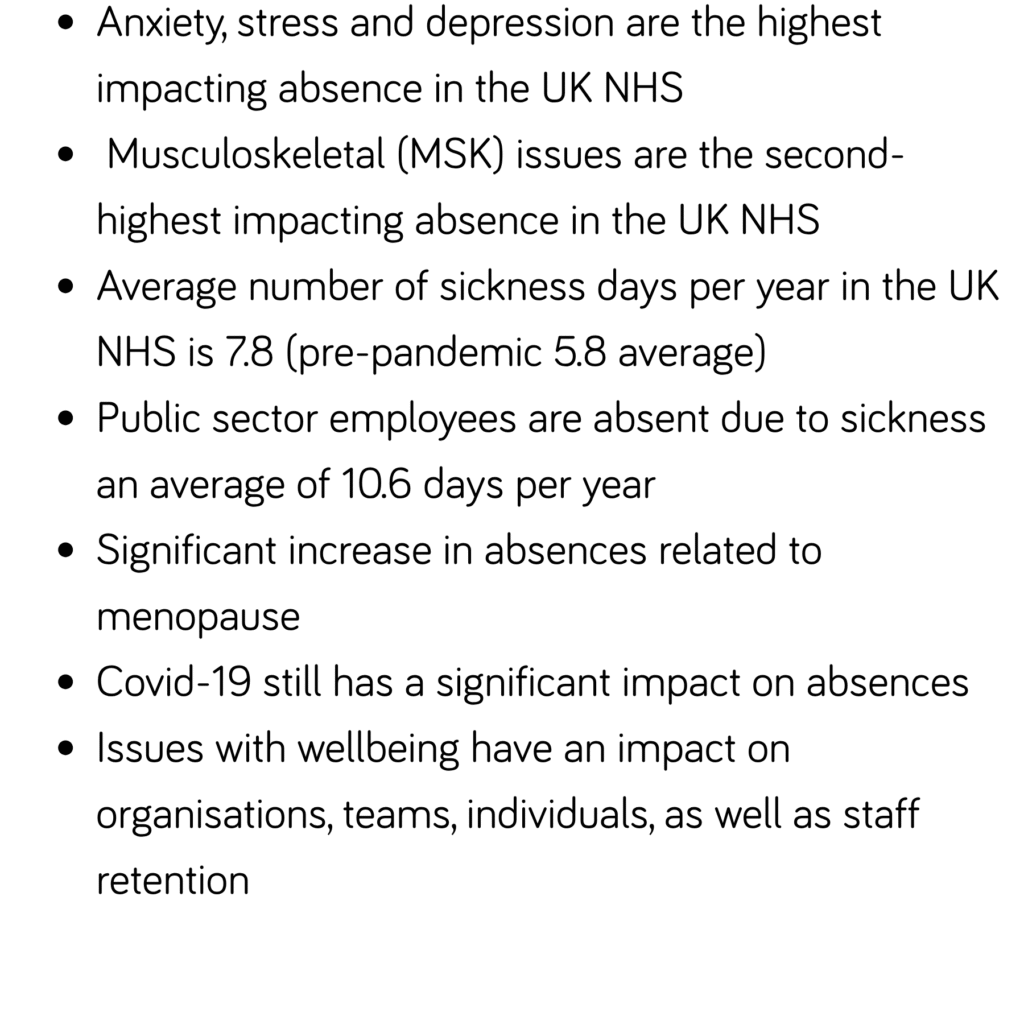
The EENA 2025 presentation shares insights on the emotional cost of frontline work, including rising absences due to anxiety, depression, and menopause-related stress. The presentation calls for leadership to model empathy and resilience.
What can we learn and consider, where feasible, to be adopted:
1. Increased focus and promotion of Employee Assistance Programmes
2. Increased physiotherapy clinics or an appointment network offering a reduction in musculoskeletal issues
3. Ensure that there are internal support networks for all EDI (equality, diversity, and inclusion) aspects
4. Increase menopause support , given the impact on staffing levels
5. Height-adjustable desks for the workplace – increasing to a minimum of 50% availability
6. Consider enabling staff to work from home, where it is feasible to be accommodated
7. Wellbeing teams being made available for staff
8. Team-based working, with management ratio to staff, where possible 1:15
9. Resilience and empathy training and awareness for staff and management positions
Practical wellbeing tips for emergency responders
Working in emergency services means facing intense pressure, long shifts, and emotionally charged situations. Here are some simple, evidence-based strategies to help you stay grounded and resilient:
1. Micro-breaks matter
Take short, intentional pauses—even 2–3 minutes—to stretch, breathe, or step outside. These moments can reset your nervous system and reduce fatigue.
2. Hydrate and fuel up
Keep a water bottle nearby and aim for balanced meals. Dehydration and low blood sugar can amplify stress and impair decision-making.
3. Use one of the many breathing techniques
Inhale for a period of up to 4 seconds, hold for 4-6 seconds, and exhale for 6-8 seconds. This simple breathing pattern can calm your body’s stress response in under a minute, and can be used in the workplace, especially when experiencing a negative situation.
4. Talk it out
Whether it’s a colleague, peer support lead, mental health professional, one of your close family members, or a trusted friend, talking about what you’ve experienced helps you process it and can build confidence in dealing with the situation in the future.
5. Digital boundaries
When off shift, try to disconnect from work-related notifications. Protecting your rest days and annual leave is super essential for recovery and to allow some personal reflection.
6. Prioritise sleep hygiene
Use blackout curtains or blinds, limit caffeine late in the day or overnight, and create a wind-down routine, possibly a warm drink, maybe walking a short distance (if possible) ahead of getting home or listening to some relaxing music, a podcast or a meditation app to allow you to relax and switch off fully. For all of us, quality rest and sleep will better protect against burnout.
7. Try a wellbeing app
Apps like Headspace, Calm, or the Blue Light Together toolkit offer guided meditations, sleep aids, and stress management tools designed for frontline workers.