
Brussels, 1 December 2025
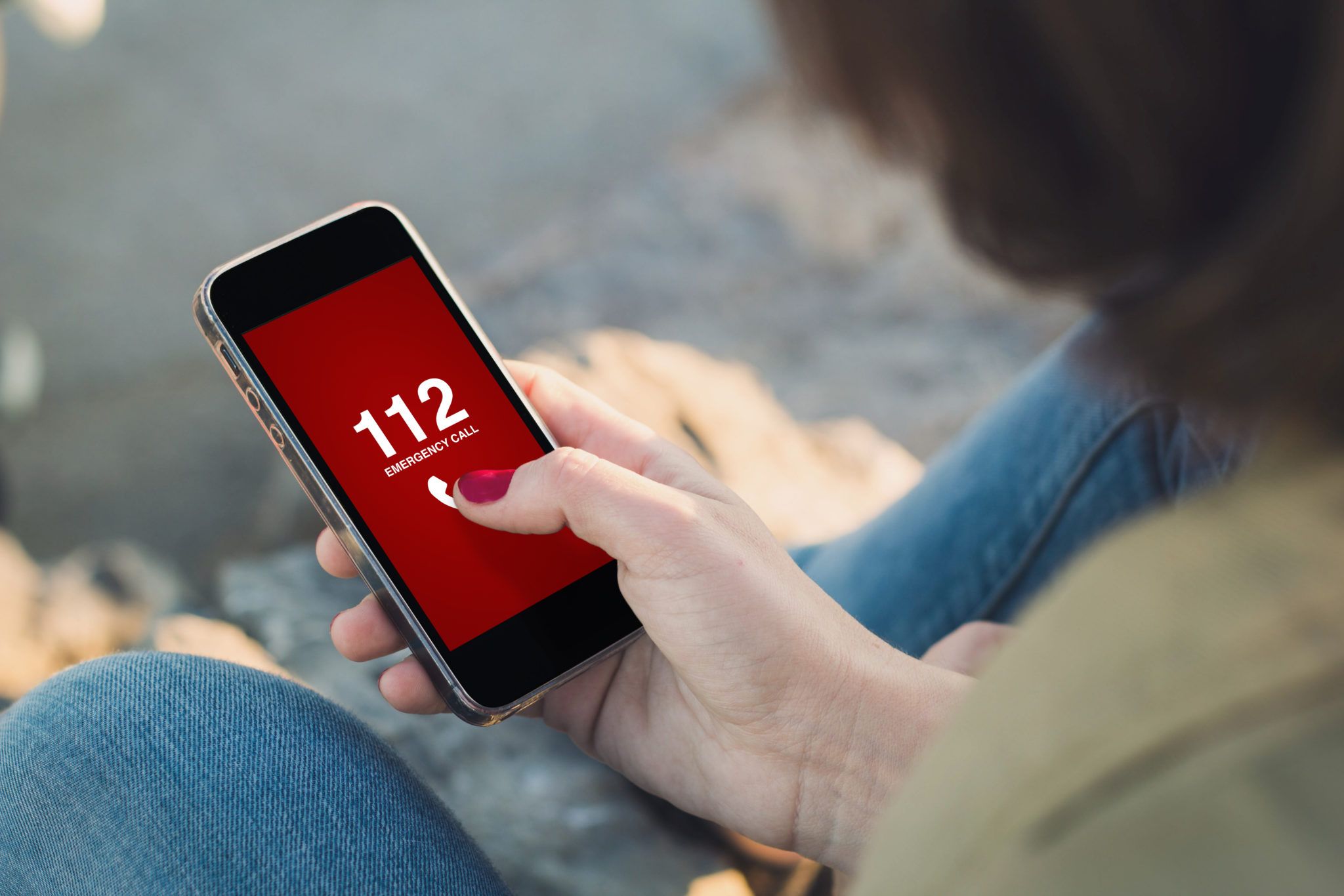
Europeans have lost the ability to contact emergency services while roaming inside and outside of the European Union. In parallel to this, many devices will soon lose the capability to call emergency services in any situation.
Over the course of 2025, EENA has been informed by emergency services and national authorities of growing cases where people in an emergency have been unable to reach emergency services, especially while roaming.
This inability to call 112 or other emergency numbers is not the direct result of the 2G/3G shutdown, but rather incompatibilities between some smartphones and the 4G/5G voice services used for emergency communications. The separate decision of mobile network operators to adopt simplified roaming architectures (S8HR), which does not provide full access to emergency services while roaming, has also exacerbated this issue.
This issue was as foreseeable as it is serious for public safety in Europe. Since the early 2020’s, 2G/3G shutdowns in the United States and Australia have left Europeans unable to contact emergency services while travelling in those countries, indicating that incompatibilities existed in the standards used for roaming. EENA sent letters to the European Commission in 2022, when the risk first emerged, and again in 2024, outlining these risks.
In 2026, several Mobile Network Operators across the EU intend to shut down their 2G and 3G services. The Swedish regulator PTS has recently warned of upcoming issues. Amid the deteriorating availability of access to 112, and the absence of EU-level action to address this, EENA calls for immediate intervention at EU-level to resolve the issue.
Read our 2025 letter to European Commission Vice-President Virkkunen.
Read our 2024 letter to Commissioner Thierry Breton.
Read our 2022 letter to Commissioner Thierry Breton.
Read MEP Elena Kountoura’s written parliamentary question here.